Field reference / polyureaprotectivecoatings.com
Built to take the hit.
Tanks, walls, roofs, floors and infrastructure take abuse every day. A plain reference on how protective coating systems hold up, and what to ask before you specify one.
The protection table
Every topic on the site, laid out like a periodic table. Large tiles are threats, guides and tools. Small tiles are reading and reference.
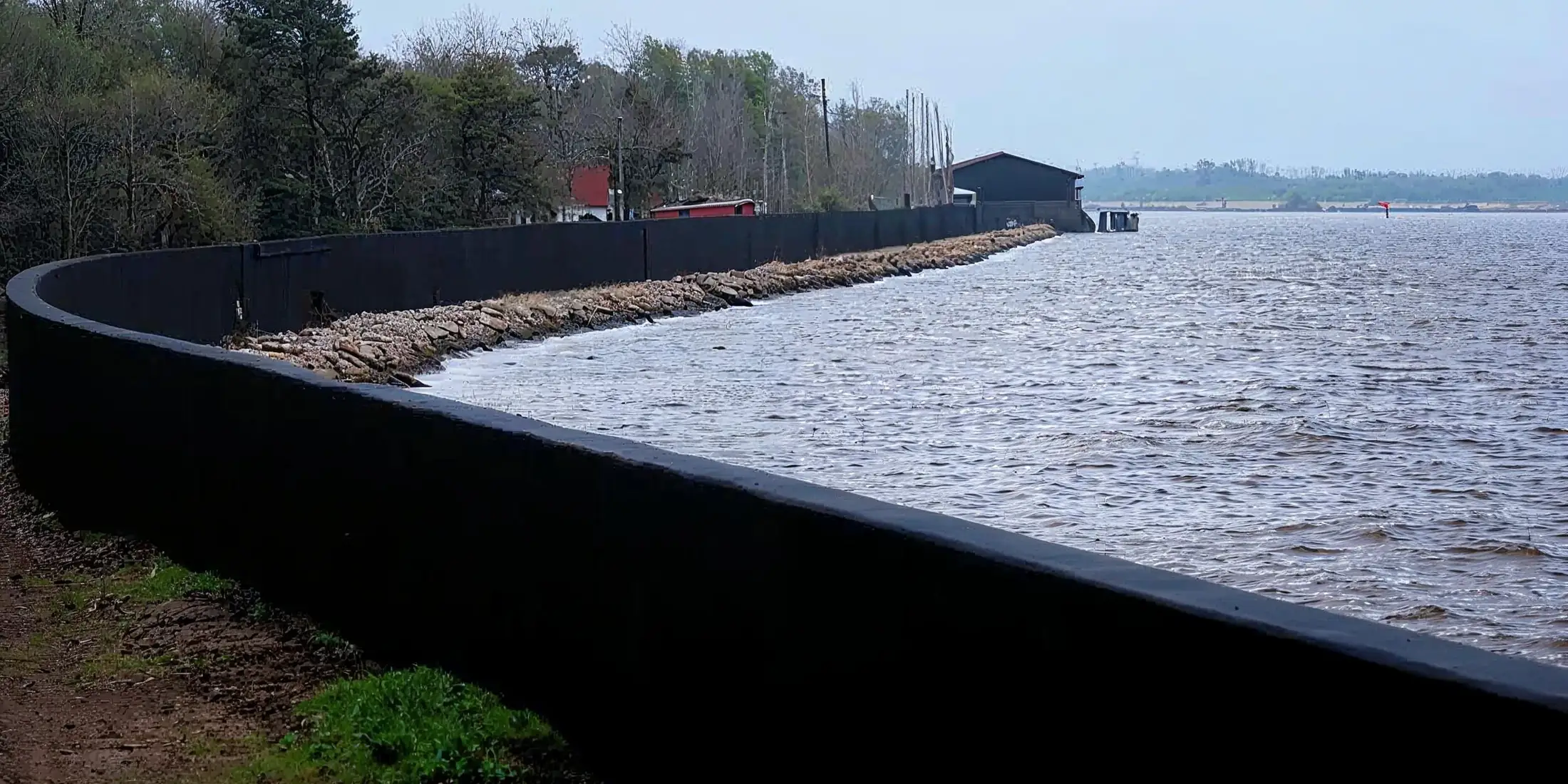
Seamless. Elastic. Bonded to the surface.
A protective coating is a promise that the surface underneath will still be there next year. Keeping it takes the right material, the right preparation and the right crew on the same job.
Five layers
Protection comes in layers
The membrane gets the attention, but it only works when every layer beneath it is right.
See the coating system- 01
Substrate
The surface being protected: concrete, steel, block, wood or an older coating. Its condition sets the rest of the plan.
- 02
Preparation
Cleaning, repairing and profiling the surface by grinding, blasting or pressure washing so the system can bond.
- 03
Primer
A thin layer that seals porous surfaces, controls outgassing and improves adhesion. The data sheet says when it is required.
- 04
Base membrane
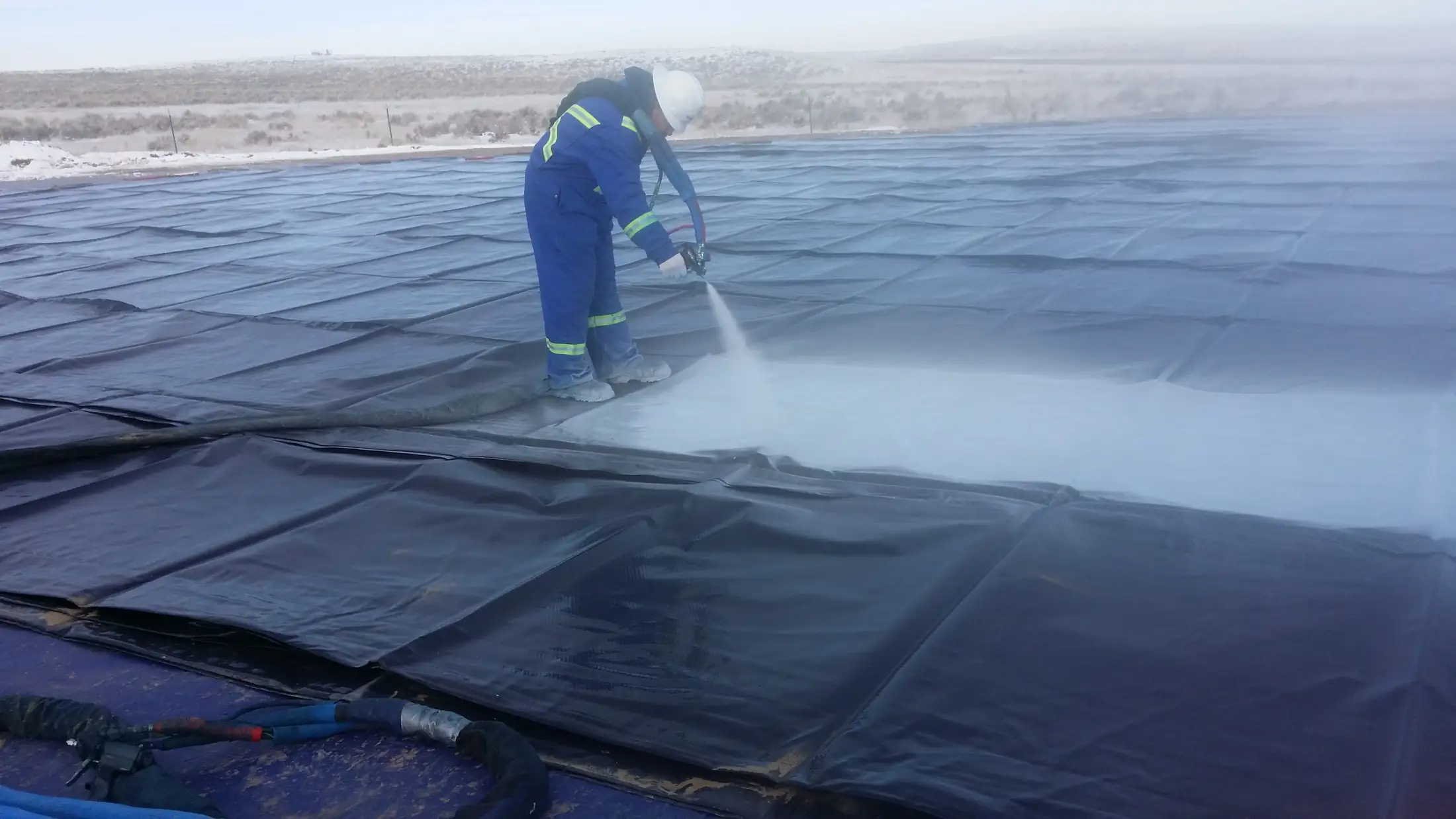
The thick, tough layer that does most of the protecting. Spray polyurea is often applied here in one or more passes.
- 05
Topcoat
An optional finish for colour stability in sunlight, texture for grip or extra chemical resistance.
Interactive
Pick a layer, see its job
Select a layer of the system to see what it does and why it matters.
An optional finish for colour stability in sunlight, texture for grip or extra chemical resistance.
The thick, tough layer that does most of the protecting. Spray polyurea is often applied here in one or more passes.
A thin layer that seals porous surfaces, controls outgassing and improves adhesion. The data sheet says when it is required.
Cleaning, repairing and profiling the surface by grinding, blasting or pressure washing so the system can bond.
The surface being protected: concrete, steel, block, wood or an older coating. Its condition sets the rest of the plan.
Six threats
Six ways surfaces fail
Every job starts with the same question: what is trying to break this surface down?
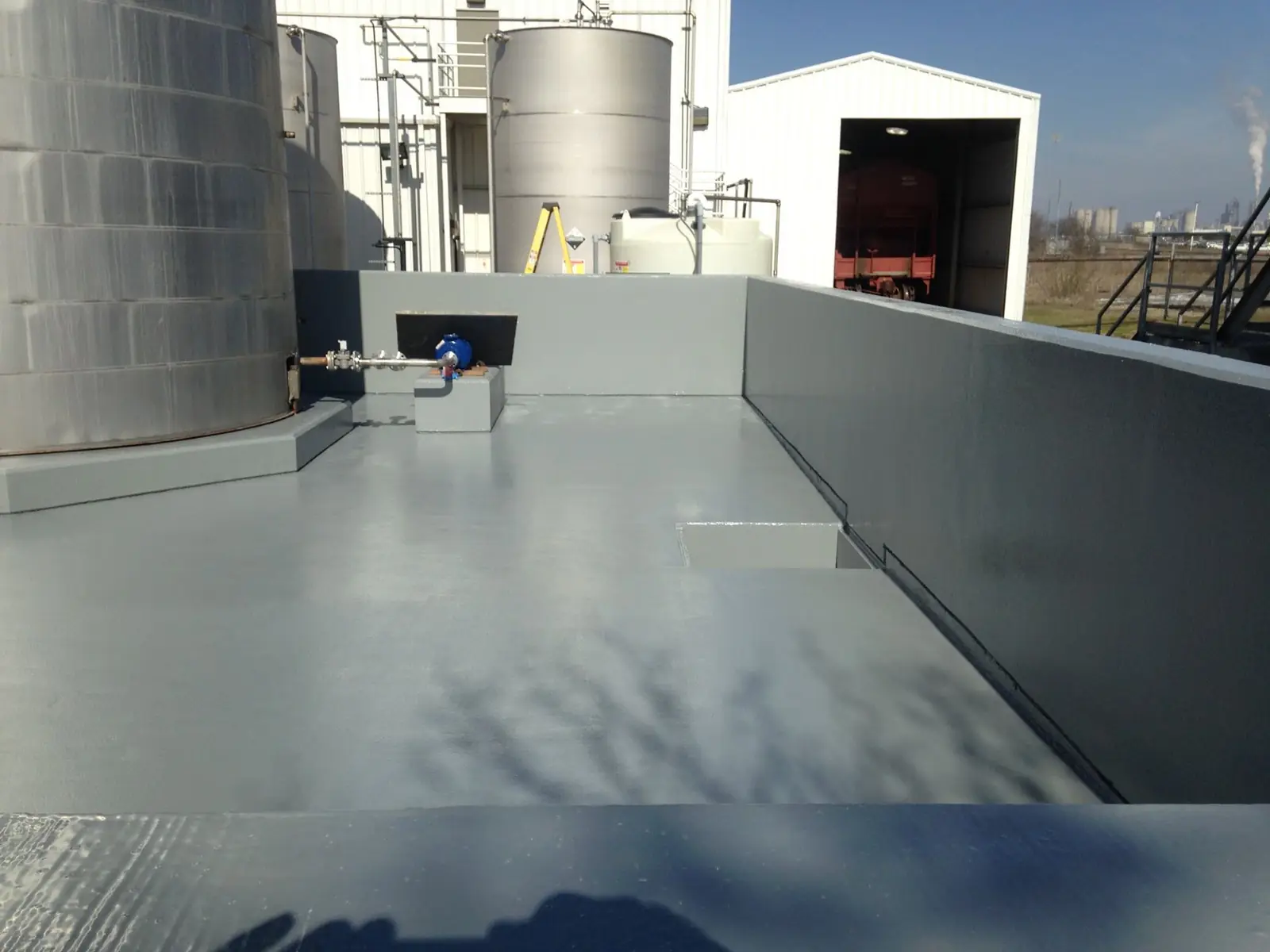
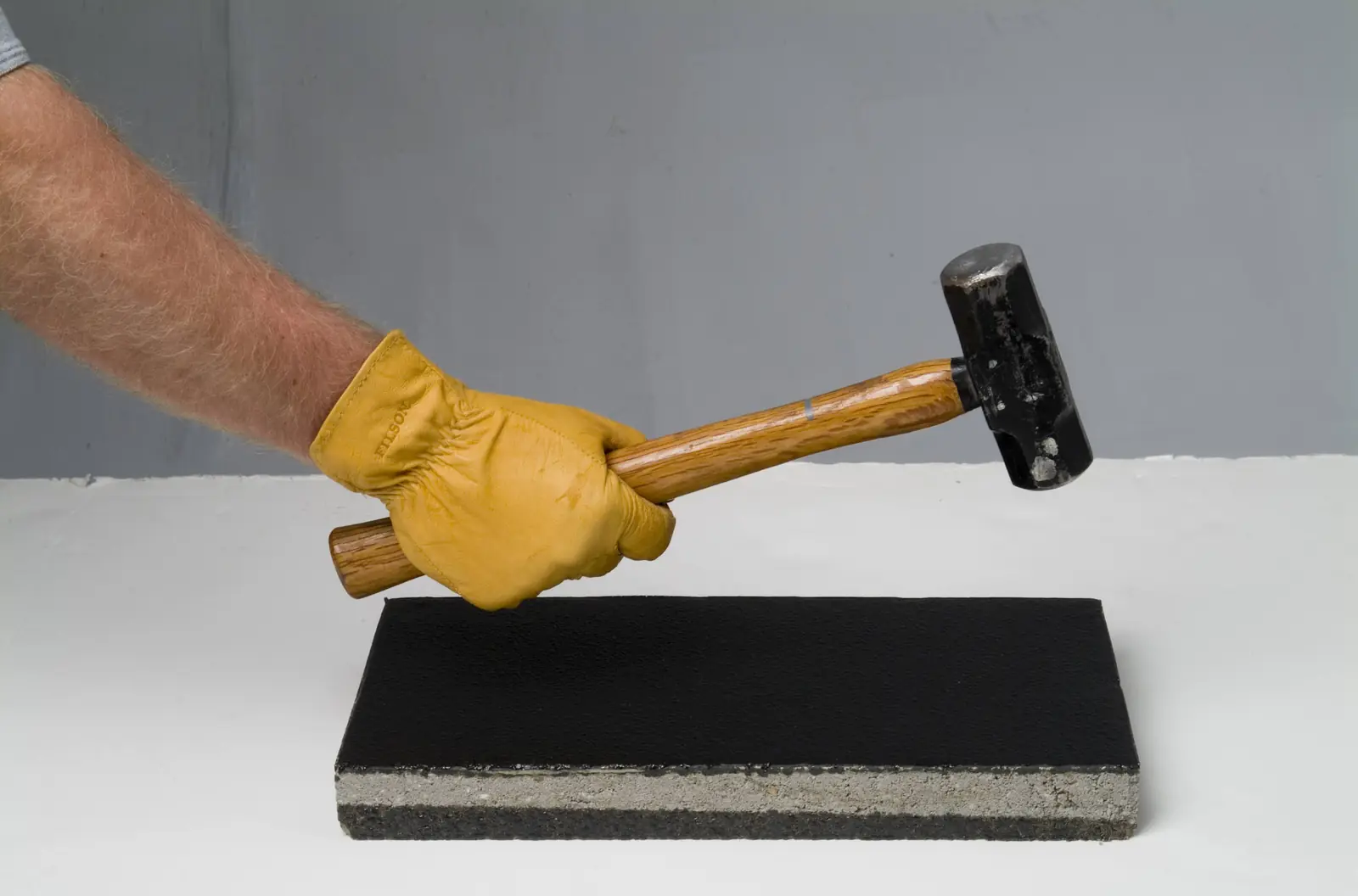
Impact
Dropped loads, debris and equipment crack rigid finishes and expose what is underneath.
Impact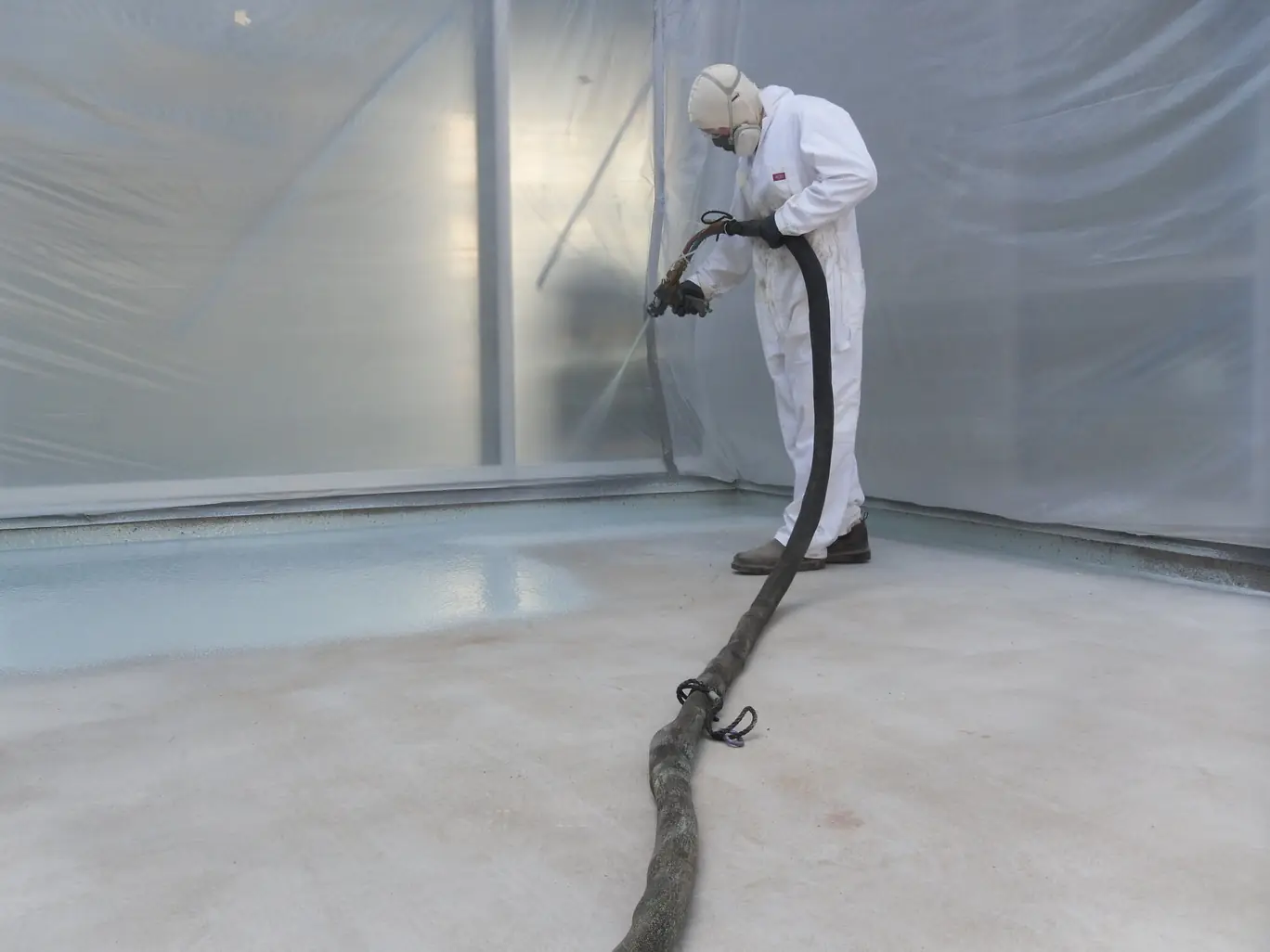
Chemicals
Fuels, acids, caustics and solvents can soften, swell or eat through the wrong material.
Chemicals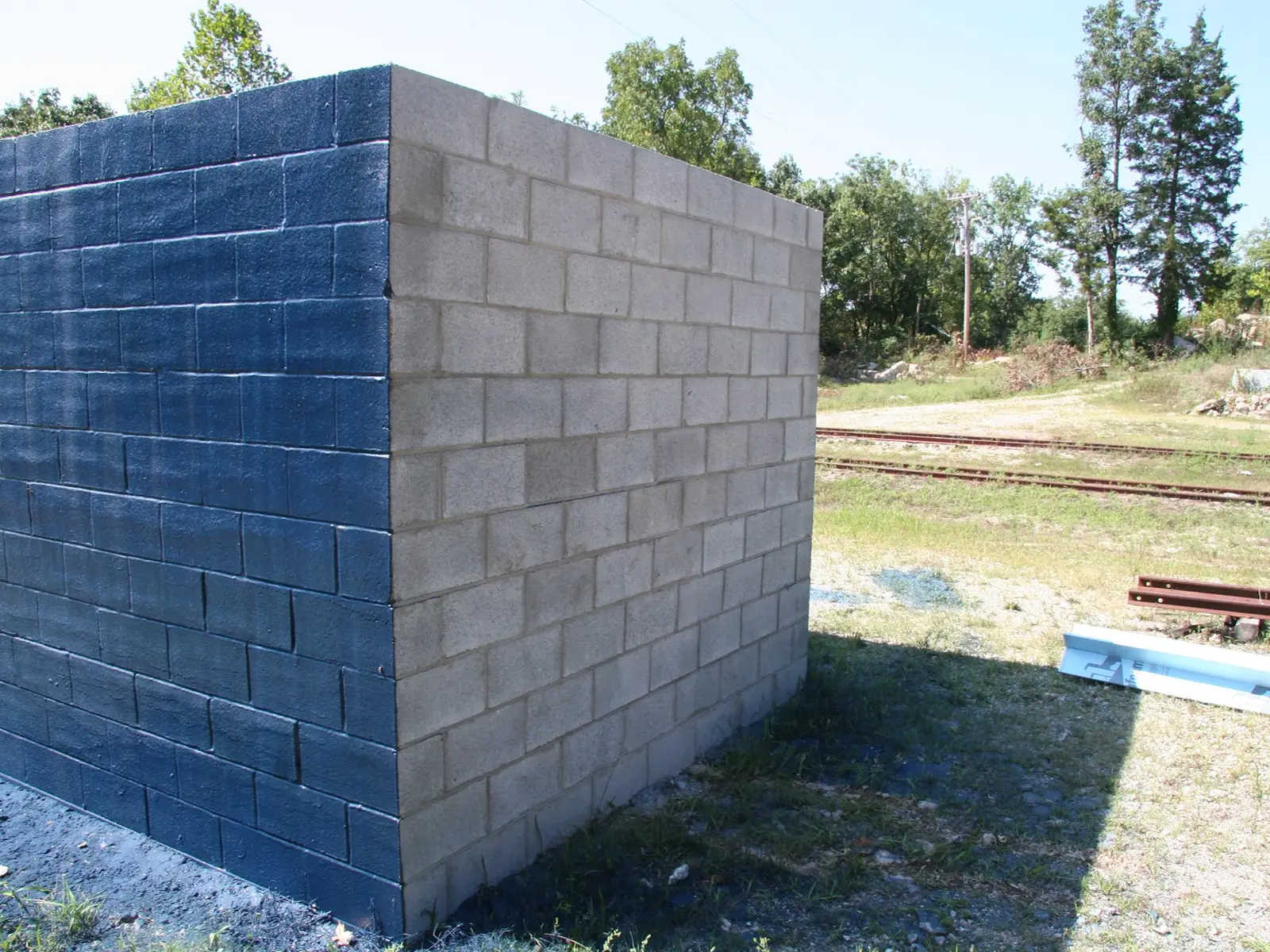
Blast and fragments
Blast pressure and flying fragments break walls apart and turn them into hazards.
Blast and fragmentsFrom the journal
All articlesUnderstanding Protective Coatings and Their Importance
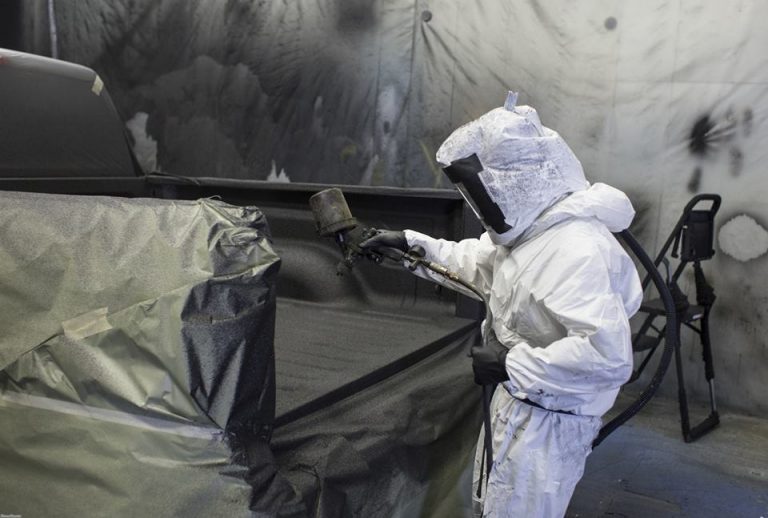
Protective coatings serve as an essential barrier between materials and their environment. These coatings help extend the life of various surfaces and components, offering…
FAQ
Quick answers
What is a protective coating?
A coating applied mainly to stop damage rather than to decorate. It keeps abrasion, corrosion, impact, chemicals or water away from the surface underneath. See the threats.
Why polyurea?
It sets within seconds into thick, elastic, seamless films, so it suits jobs that need protection fast and on complex shapes. Read polyurea for protection.
How thick should it be?
The product data sheet and the specification set the range for each use. Thickness is checked during and after application.
Does it work outdoors?
Yes, but aromatic polyurea darkens in sunlight. A colour stable aliphatic topcoat is common where looks matter.
What surfaces can it go on?
Concrete, steel, masonry, wood, geotextile and some existing coatings, each with its own preparation. See substrates.