PolyureaProtective Coatings

Six threats

What it stands against

Every protective coating job starts with the same question: what is trying to break this surface down? Here are the six usual answers.

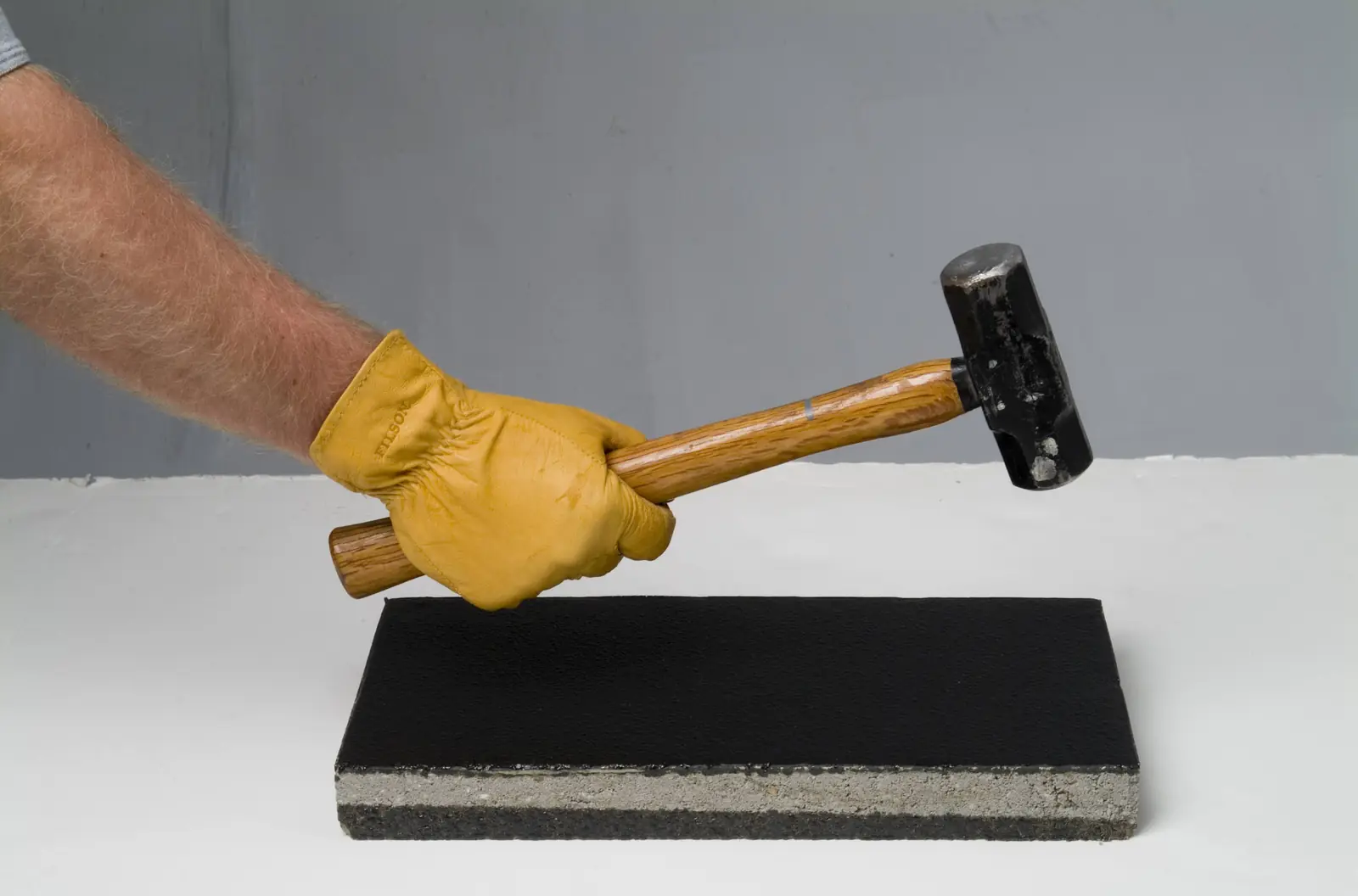
Gloved hand striking a coated sample block with a hammer
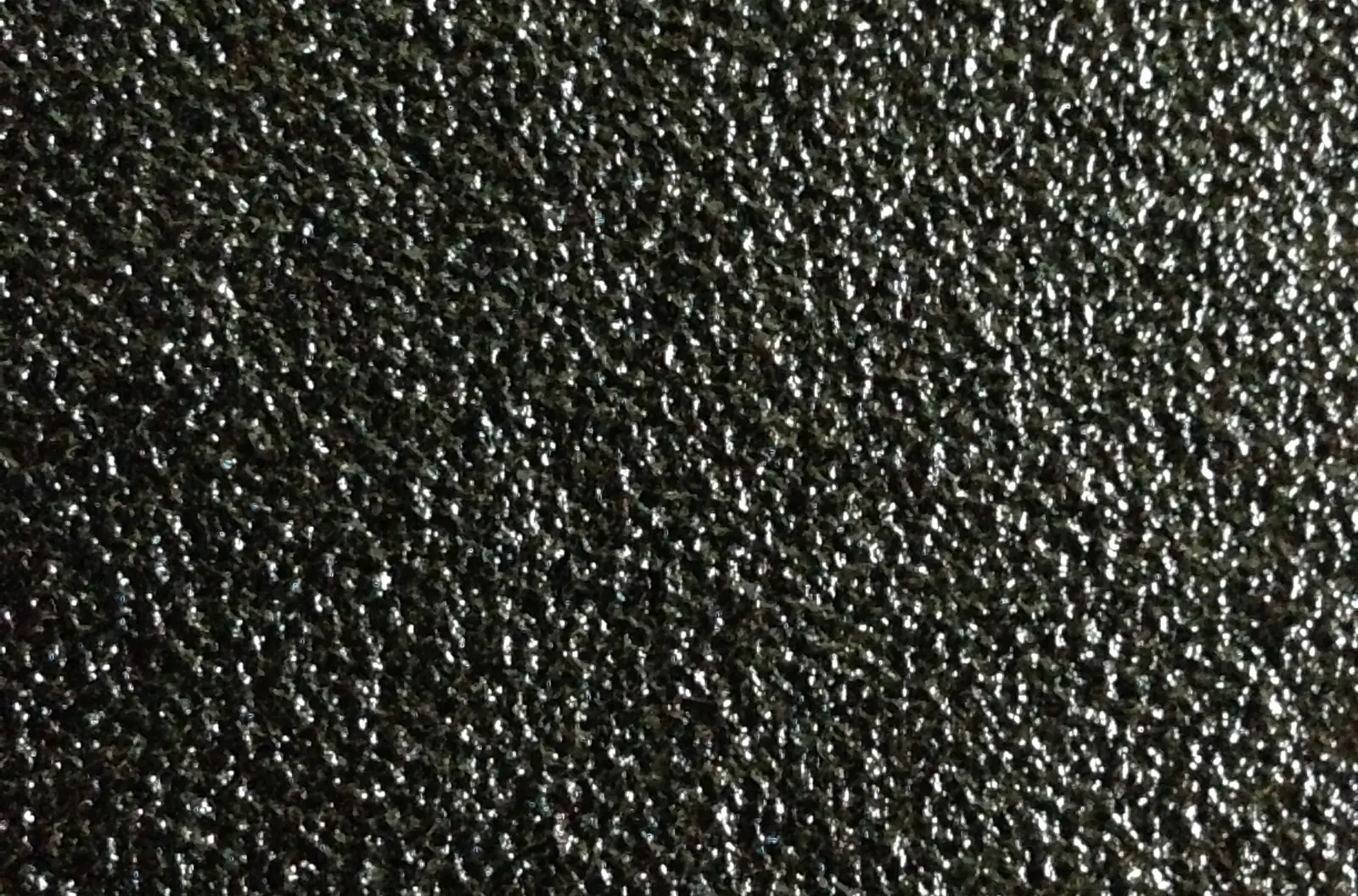
Close view of a black textured coating surface

Abrasion

Wheels, boots, gravel and flowing slurry grind surfaces down a little at a time.

What the coating does. A tough, elastic film absorbs the scuffing instead of chipping. Thickness and texture can be raised where wear is heaviest.

Questions to ask

  • Where does traffic or flow concentrate?
  • Is a textured or smooth finish needed?
  • Can worn areas be recoated in place?
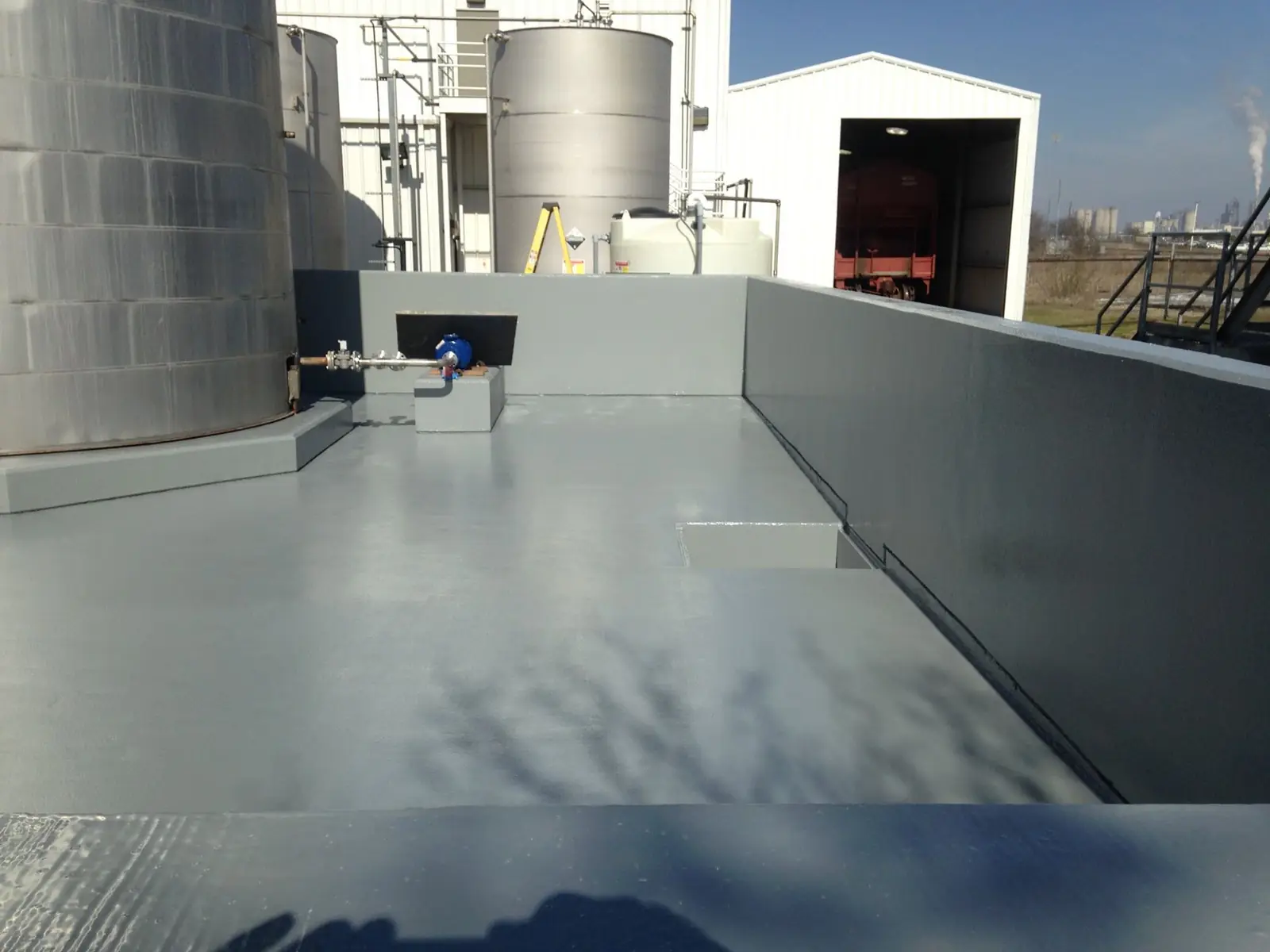
Gray coated containment floor and walls beside steel storage tanks

Corrosion

Moisture, oxygen and salts attack steel and the reinforcing inside concrete.

What the coating does. A continuous, bonded barrier keeps water and chemicals away from the substrate. Seams and pinholes are the weak points.

Questions to ask

  • Is the steel blasted to the profile the data sheet asks for?
  • How will edges, welds and bolts be detailed?
  • What primer does the system call for?
Gloved hand striking a coated sample block with a hammer

Impact

Dropped loads, debris and equipment crack rigid finishes and expose what is underneath.

What the coating does. Elastomeric coatings stretch and recover, so they tend to dent rather than shatter. A primer and full bond keep them in place.

Questions to ask

  • What is likely to hit the surface, and how often?
  • Is the coating flexible enough at low temperatures?
  • How will damaged spots be repaired?
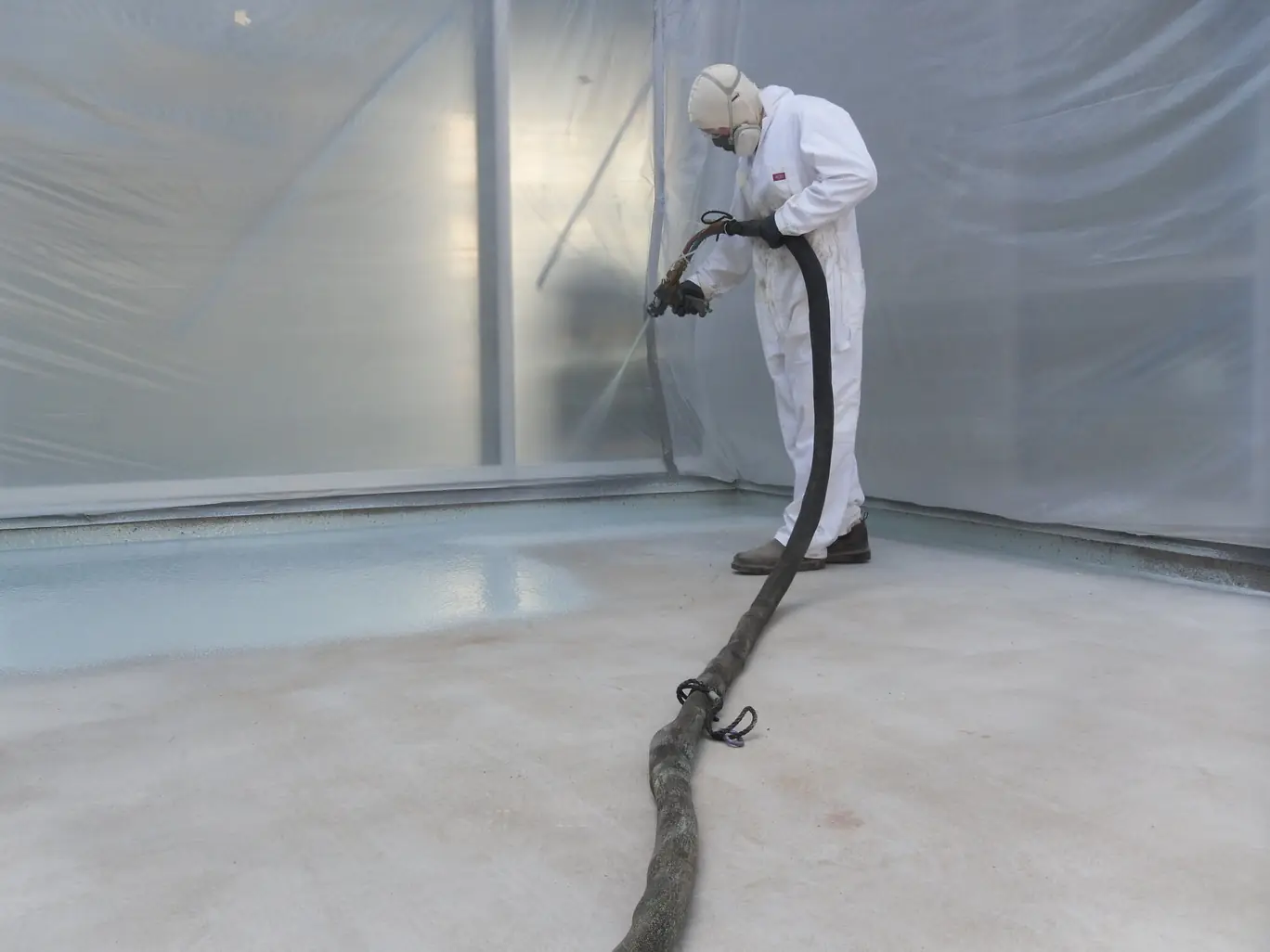
Applicator spraying a light gray coating across the floor of a lined tank

Chemicals

Fuels, acids, caustics and solvents can soften, swell or eat through the wrong material.

What the coating does. Chemical resistance depends on the exact product and the exact exposure. Data sheets list which chemicals were tested and for how long.

Questions to ask

  • Which chemicals, at what strength and temperature?
  • Splash, spill or full immersion?
  • Does the data sheet list those chemicals?
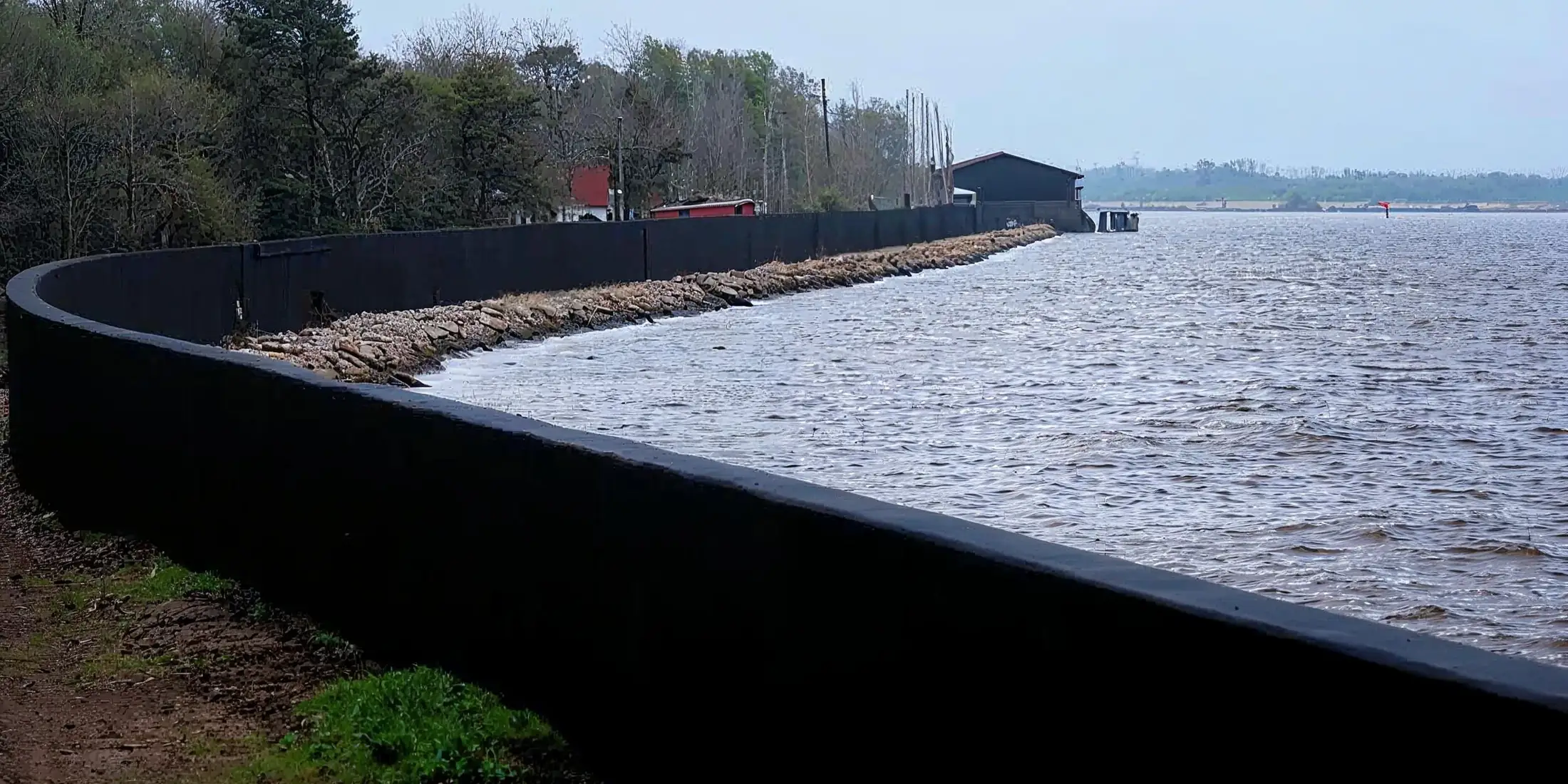
Black coated flood wall running along a wide riverbank

Water

Standing water, rain, flooding and immersion find every crack and joint.

What the coating does. A seamless membrane bridges small cracks and wraps around details. Immersion service needs a product rated for it.

Questions to ask

  • Occasional wetting or constant immersion?
  • Is the water potable or treated?
  • How are joints, drains and penetrations handled?
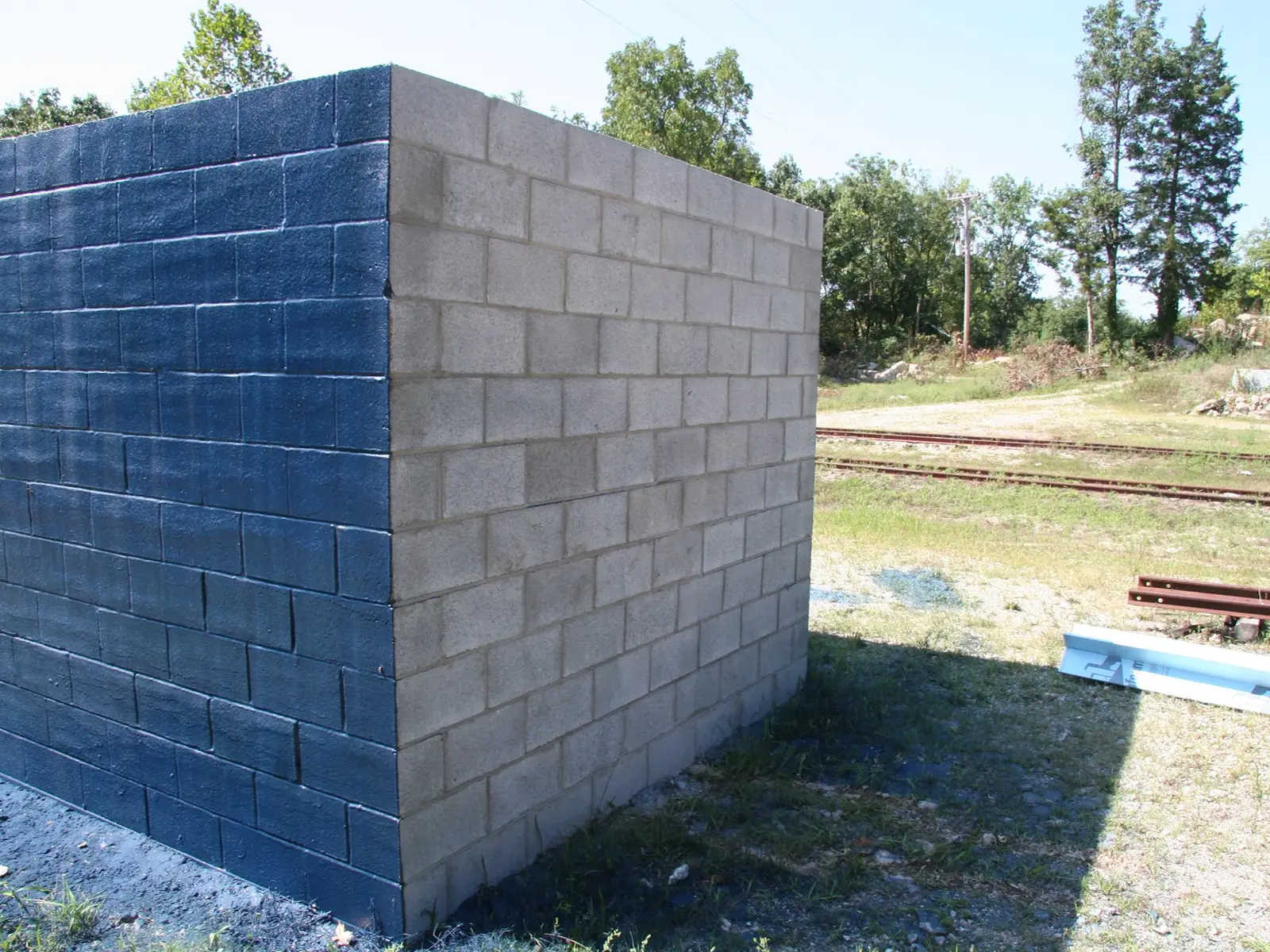
Concrete block structure coated in a dark blue protective layer on an open site

Blast and fragments

Blast pressure and flying fragments break walls apart and turn them into hazards.

What the coating does. Elastomeric layers on masonry and concrete are used to help hold fragments together. Design should follow tested systems and engineering advice.

Questions to ask

  • Has the assembly been tested in a recognised program?
  • Who is the structural engineer of record?
  • How will the coating be inspected over time?

Next

Most surfaces face more than one

A tank floor can see abrasion, chemicals and standing water at the same time. List every threat the surface faces, then let the spec builder turn them into questions. The coating systems page shows how the layers share the work.

Next step

Name the threats, then build the checklist.